
Best Countries to Study Abroad for International Students
Whether you’re considering Ireland, the UK, Canada or the USA, StudyFynder helps you understand your options and choose the destination that best matches your academic goals, budget and future career plans.

University and Course Quality
Start by researching the quality and reputation of both the university and your chosen course. Look at course content, teaching quality, facilities, accreditation, industry connections, research opportunities and graduate outcomes. The best university for you is not necessarily the highest-ranked institution, it is the one that offers the right programme for your academic interests and career goals. Then we will help you find the best countries to Study Abroad.
Tuition Fees
Tuition fees can vary considerably between countries, universities and courses. Compare the total cost of your programme rather than focusing only on the annual fee. Remember to consider additional expenses such as registration fees, course materials, laboratory charges and other university costs when planning your study abroad budget.
Cost of Living
Your living expenses can have a major impact on the overall cost of studying abroad. Research accommodation, food, transport, utilities, healthcare and everyday expenses in each destination. Costs can also vary significantly between cities, so compare locations as well as countries before making your decision
Scholarships
Scholarships and financial support can make studying abroad considerably more affordable. Explore university scholarships, government funding, academic merit awards and scholarships specifically available to international students. Check eligibility requirements and application deadlines early, as many scholarships need to be applied for well before your course begins.
Student Visa Requirements
Every country has different visa and immigration requirements for international students. Check which visa you need, the documents required, financial evidence, English-language requirements, healthcare or insurance requirements and expected processing times. Visa rules can change, so always check the latest official requirements before applying.
Work Rights While Studying
Being able to work alongside your studies can provide valuable experience and help with living expenses. However, international student work rights vary by destination and visa type. Research how many hours you may work, whether there are restrictions during term time and what employment opportunities are typically available to international students.
Post-Study Work Opportunities
If you hope to remain in your study destination after graduation, investigate its post-study work options before choosing a country. Some destinations provide eligible international graduates with opportunities to remain temporarily to work and gain professional experience. Consider the eligibility criteria, duration and conditions of the relevant graduate or post-study immigration route.
Graduate Employment Prospects
Think beyond graduation and research the employment market for your chosen profession. Look at demand for graduates, major employers, growing industries, typical career paths and whether your qualification is recognised by employers or professional bodies. A destination with strong industries related to your degree may provide valuable internship, networking and graduate career opportunities.
Language
Consider both the language of instruction and the language used in everyday life. Many universities around the world offer programmes taught in English, but knowing the local language can make daily life easier and may improve your employment opportunities. You should also check whether your university requires IELTS, TOEFL or another recognised English-language qualification.
Lifestyle and Culture
Studying abroad is also a major life experience. Consider the climate, culture, food, transport, accommodation, student community, social life and overall lifestyle of each destination. Think about what type of environment will help you feel comfortable, enjoy your university experience and succeed academically.

Compare Your Study Abroad Options
There is no single study destination that is right for every student. The best choice depends on your course, academic goals, budget, preferred lifestyle and career plans. StudyFynder helps international students compare countries, universities, courses, tuition fees, scholarships and study opportunities so they can make a more informed decision about where and what to study.
Explore the Best Countries to Study Abroad
Our countries below.
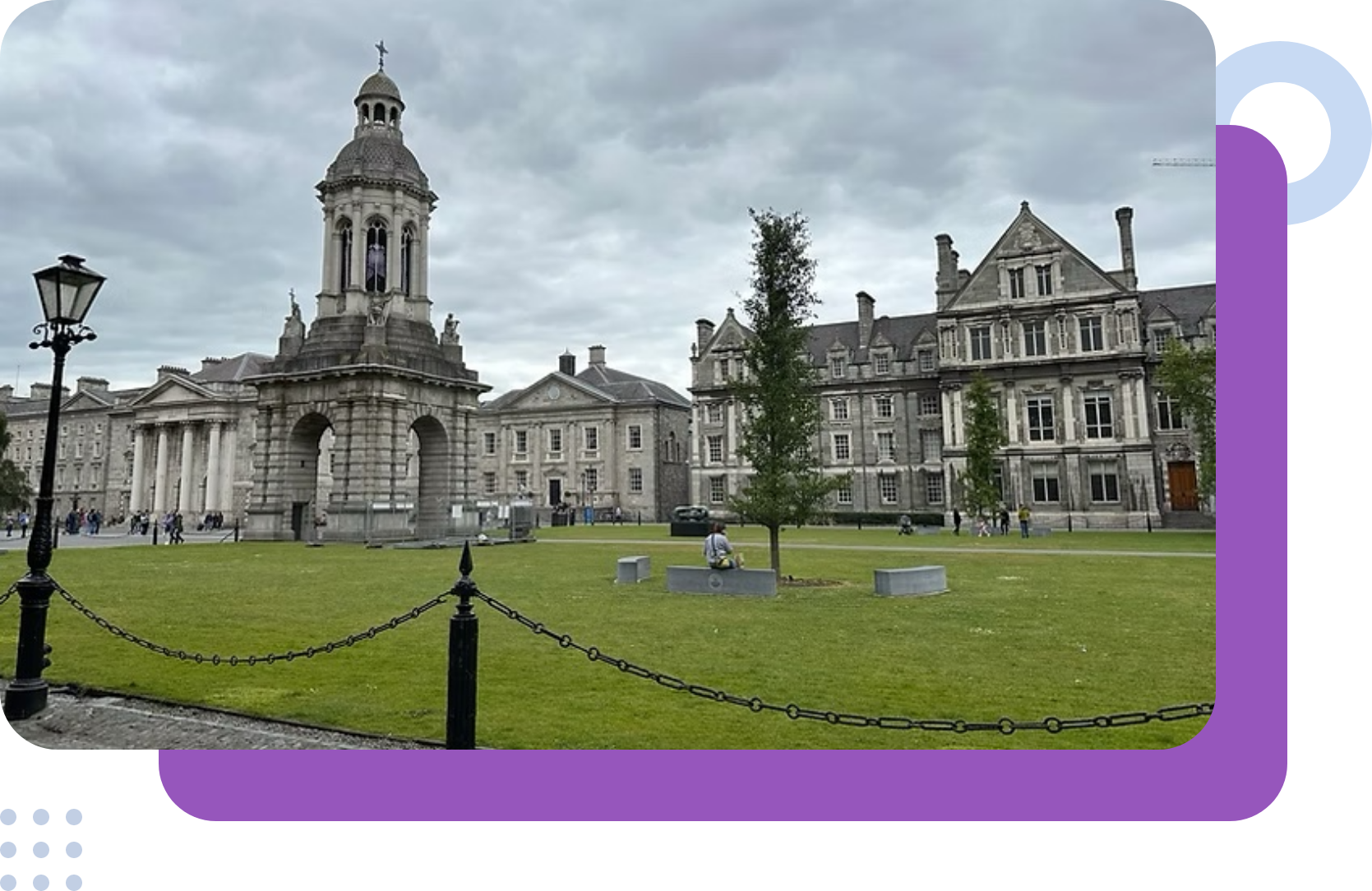
HIGHER EDUCATION IN IRELAND
Study in the Ireland
Why study in Ireland?
- Globally recognised universities
- Undergraduate and postgraduate programmes
- Scholarships for international students
- Opportunities to work while studying
- Post-study graduate opportunities
- Strong technology and life sciences sectors
HIGHER EDUCATION IN UK
Study in the UK
The United Kingdom is one of the world’s most established study destinations, offering internationally recognised universities, a wide range of English-taught degree programmes and strong connections with global employers and industries.
International students can choose from undergraduate, postgraduate and research programmes across universities throughout England, Scotland, Wales and Northern Ireland, with opportunities spanning business, technology, engineering, healthcare, science and the creative industries.
Why study in the UK?
- Globally recognised universities
- Wide choice of undergraduate and postgraduate programmes
- Scholarships for international students
- Opportunities to work while studying
- Post-study graduate opportunities
- Strong links with global industries and employers


HIGHER EDUCATION IN CANADA
Study in the Canada
International students can explore undergraduate, postgraduate, diploma and research programmes, with study opportunities in areas such as technology, engineering, business, healthcare, science and the skilled professions.
Why study in Canada?
- Internationally recognised universities and colleges
- Undergraduate, postgraduate and diploma programmes
- Scholarships for international students
- Diverse and multicultural student communities
- Opportunities to work while studying
- Strong technology, business and research sectors
HIGHER EDUCATION IN USA
Study in the USA
Students can choose from undergraduate, postgraduate and doctoral programmes across thousands of institutions, with particularly strong opportunities in technology, engineering, business, science, healthcare and research.
Why study in the USA?
- World-renowned universities and research institutions
- Extensive choice of undergraduate and postgraduate programmes
- Scholarships and financial aid opportunities
- Leading research and innovation ecosystem
- Diverse international student communities
- Strong technology, business and STEM sectors

Frequently Asked Questions
Which country is best for studying abroad?
The best country to study abroad depends on your chosen course, budget, career goals and preferred lifestyle. Popular destinations include Ireland, the UK, Canada and the USA, each offering different universities, programmes, costs and graduate opportunities. Comparing these factors can help you find the destination that best suits your goals.
How do I choose the right study abroad destination?
Consider university and course quality, tuition fees, living costs, scholarships, student visa requirements, work rights, post-study opportunities, graduate employment prospects, language and lifestyle. Your chosen destination should support both your academic ambitions and longer-term career plans.
How much does it cost to study abroad?
The cost of studying abroad varies significantly by country, university, course and city. Your overall budget should include tuition fees, accommodation, food, transport, healthcare, study materials and everyday living expenses. Always research the total expected cost rather than tuition fees alone.
Are scholarships available for international students?
Yes. Many universities, governments and other organisations offer scholarships and financial support for international students. Scholarships may be based on academic achievement, financial need, nationality, chosen subject or other eligibility criteria. Application requirements and deadlines vary, so it is important to research opportunities early.
Do I need a student visa to study abroad?
In many cases, international students require a student visa or study permit. Requirements depend on your nationality, destination, course and length of study. You may need proof of university admission, sufficient funds, health insurance and other supporting documentation. Always check the latest official immigration requirements for your chosen destination.
Can international students work while studying?
Many popular study destinations allow eligible international students to work alongside their studies, subject to visa conditions and restrictions. The number of permitted working hours and the types of employment allowed vary by country, so check the current rules for your destination before making financial plans.
Can I stay and work abroad after graduating?
Some countries offer eligible international graduates a route to remain temporarily after completing their studies to gain professional experience. The duration, eligibility criteria and conditions differ between countries and can change over time. Consider post-study work options when comparing destinations if gaining international work experience is important to you.
Which study destination is best for career opportunities?
This depends on your chosen profession. Different countries have strengths in areas such as technology, engineering, healthcare, pharmaceuticals, financial services, business and scientific research. Research the industries, employers and demand for graduates in your field when comparing destinations.
Do I need IELTS or another English-language test?
Many universities require international applicants to demonstrate English-language proficiency through IELTS, TOEFL, PTE or another recognised qualification. Requirements vary by university and programme, and exemptions may be available in some circumstances. Check the specific entry requirements for each course before applying.
How can StudyFynder help me choose where to study?
StudyFynder helps international students explore study destinations and compare universities, courses, tuition fees, scholarships and other important considerations. Our education counsellors can also provide guidance throughout the study abroad journey, helping you make informed decisions based on your academic background, budget and career goals.