
Study in the UK for International Students
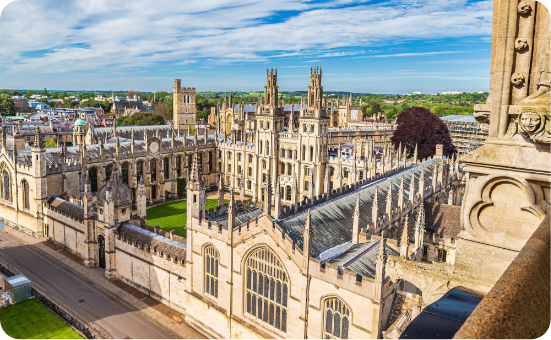
Looking to Study in the UK with Expert Education Counsellors
The United Kingdom is one of the world’s leading destinations for international students, offering globally recognised universities, a wide range of undergraduate and postgraduate courses, and opportunities to gain valuable international experience.
Whether you’re planning to study for a bachelor’s degree, master’s programme or specialist qualification, StudyFynder can help you explore UK universities, compare courses and understand tuition fees, scholarships, entry requirements and the Student visa process.Our study abroad consultants and education counsellors can help you make informed decisions at every stage of your journey to study in the UK.
Why Study in the UK with StudyFynder?
Benefits of studying in the UK include:
Globally recognised
qualifications
UK university qualifications are recognised by employers and organisations around the world.
Wide choice of universities and courses
Students can choose from thousands of undergraduate, postgraduate and specialist programmes.
One-year master's programmes
Many UK master’s degrees can be completed in one year, allowing students to obtain a postgraduate qualification faster than in countries where similar programmes typically take longer.
International student community
UK universities attract students from many different countries and cultural backgrounds.
Career opportunities
Studying in the UK can provide access to career development, professional networks, placements and graduate opportunities.
Post-study options
Eligible international graduates may be able to remain in the UK temporarily after completing their studies through the Graduate visa route.
Globally Ranked Universities
Study in the UK at world-renowned universities recognised for academic excellence and research.
Best Market in Tech and Business
Ireland is home leading global companies and a thriving tech and business ecosystem.
Post-Study Work Visa Options
Eligible graduates can stay and work in Ireland with post-study work visa options.
Top Universities in the UK


Admission Requirements
Academic transcripts
Submit your previous academic records and transcripts.
English proficiency (IELTS/TOEFL)
Provide valid English language test scores as per university requirement.
Statement of Purpose
A well-written SOP outlining your academic background, goals, and study plans.
Cost of Studying in the UK
Tuition Fees
(per year)
-
- Undergraduate£12,000 - £25,000
-
- Postgraduate£12,000 - £35,000
Living Expenses
(per year)
Accommodation, Food & Transport, Miscellaneous (£10,000 – £12,000)
Estimated Total Annual Cost £20,000 – £40,000
Costs may vary depending on the university, course and lifestyle.
Your future starts in UK.
Discover world-class education, career opportunities, and a vibrant culture that shapes your future.
Frequently Asked Questions About Studying in the UK
Why should international students study in the UK?
The UK offers internationally recognised universities, thousands of courses, diverse student communities and undergraduate and postgraduate study options across many academic disciplines.
What are the requirements to study in the UK?
Requirements depend on the university and course. Students may need relevant academic qualifications, English-language proficiency and supporting documents such as transcripts, references and a personal statement.
How much does it cost to study in the UK?
Costs vary considerably depending on the university, course, level of study, location and lifestyle. Students should consider both tuition fees and living expenses when preparing their budget.
Can I study in the UK without IELTS?
Some universities may accept alternative English-language tests or other evidence of English proficiency. Requirements vary by institution, course and applicant circumstances.
Are scholarships available for international students in the UK?
Yes. Universities and other organisations offer scholarships and funding opportunities for eligible international students. Availability, eligibility and award values vary.
Can international students work while studying in the UK?
Some international students can work while studying, subject to the conditions attached to their immigration permission. Eligible students on certain degree-level courses can generally work up to 20 hours per week during term time.
Can I stay in the UK after graduation?
Eligible students who successfully complete an eligible UK course may be able to apply for a Graduate visa. The duration depends on when the application is made and the qualification completed.
What are the main UK university intakes?
September is the principal intake for most UK universities. Many universities also offer selected courses beginning in January, while some programmes have additional start dates.
Is the UK a good destination for Indian students?
The UK offers Indian students a broad selection of universities, courses and internationally recognised qualifications. Students should compare academic options, costs and career objectives before deciding whether the UK is right for them.
How do I choose a UK university?
Consider the course content, entry requirements, tuition fees, scholarships, location, living costs, facilities, industry connections and career opportunities rather than choosing solely on overall university reputation.
How can StudyFynder help me study in the UK?
StudyFynder can help you explore universities and courses, understand entry requirements, navigate university applications and access guidance on scholarships and the Student visa process.